

Hey there! As an engineering vehicle supplier, I'm super stoked to talk about how a trencher works. Trenchers are these bad - ass machines that play a huge role in all sorts of construction and engineering projects. Let's dig right in!
What's a Trencher Anyway?
First off, a trencher is a specialized engineering vehicle designed to dig trenches. These trenches are used for all kinds of purposes, like laying pipes for water, gas, or sewer systems, installing electrical cables, or even for drainage projects. It's like a giant, mechanical mole that can chew through the ground with ease.
Types of Trenchers
There are a few different types of trenchers, each with its own unique way of working. The most common ones are chain trenchers and wheel trenchers.
Chain Trenchers
Chain trenchers are pretty cool. They've got a long, continuous chain with cutting teeth attached to it. This chain runs on a frame that's positioned at an angle to the ground. As the machine moves forward, the chain rotates, and the teeth on the chain dig into the soil, scooping it out and throwing it to the side.
The chain is powered by a hydraulic system, which is like the muscle of the machine. The hydraulic pump creates pressure that moves the chain, and the operator can control the speed and depth of the cut. Chain trenchers are great for digging deep, narrow trenches, and they can handle different types of soil, from soft clay to hard rock.
Wheel Trenchers
Wheel trenchers, on the other hand, use a large, circular wheel with cutting teeth on its edge. The wheel rotates, and as it does, the teeth bite into the ground, creating a trench. These trenchers are often used for shallower trenches and are more suitable for softer soils.
The advantage of wheel trenchers is that they can work faster than chain trenchers in some situations. They're also more maneuverable, which means they can be used in tight spaces. The wheel is also powered by a hydraulic system, and the operator can adjust the depth and width of the trench.
How Does a Trencher Operate?
Now, let's talk about how a trencher actually operates. It all starts with the operator getting the machine ready. First, they need to make sure the trencher is in good working condition. They'll check the engine, the hydraulic system, the cutting teeth, and all the other components.
Once the machine is pre - checked, the operator positions the trencher at the starting point of the trench. They use the controls to lower the cutting mechanism (either the chain or the wheel) to the desired depth. Then, they start the engine and engage the hydraulic system to start the cutting process.
As the trencher moves forward, the cutting mechanism does its job, digging into the soil and creating the trench. The operator has to keep an eye on the depth and width of the trench, and they can make adjustments as needed. They also need to be careful not to hit any underground utilities, like pipes or cables.
Key Components of a Trencher
A trencher is made up of several key components that work together to make it function properly.
Engine
The engine is the heart of the trencher. It provides the power needed to run the machine, including the hydraulic system and the cutting mechanism. Most trenchers use diesel engines because they're powerful and efficient.
Hydraulic System
The hydraulic system is like the nervous system of the trencher. It controls the movement of the cutting mechanism, the raising and lowering of the frame, and the forward and backward movement of the machine. The hydraulic pump creates pressure that moves the hydraulic fluid through the system, and the valves control the flow of the fluid to different parts of the machine.
Cutting Teeth
The cutting teeth are the business end of the trencher. They're made of very hard materials, like tungsten carbide, to withstand the wear and tear of digging through the soil. The shape and design of the teeth depend on the type of soil the trencher will be working in.
Tracks or Wheels
Trenchers can be either track - mounted or wheel - mounted. Track - mounted trenchers are more stable and can handle rough terrain better. They distribute the weight of the machine over a larger area, which reduces the pressure on the ground. Wheel - mounted trenchers, on the other hand, are more mobile and can move faster on flat surfaces.
Applications of Trenchers
Trenchers are used in a wide range of engineering and construction projects.
Utility Installation
One of the most common uses of trenchers is for utility installation. As I mentioned earlier, they're used to dig trenches for laying pipes and cables. Whether it's a water supply line, a gas pipeline, or an electrical cable, trenchers make the installation process much faster and more efficient.
Drainage Projects
Trenchers are also used in drainage projects. They can dig trenches for stormwater drains, French drains, or other types of drainage systems. By creating these trenches, they help to prevent water from pooling in areas and causing damage.
Landscaping
In landscaping projects, trenchers can be used to create trenches for irrigation systems or to install retaining walls. They can also be used to level the ground by removing excess soil.
Our Product Range
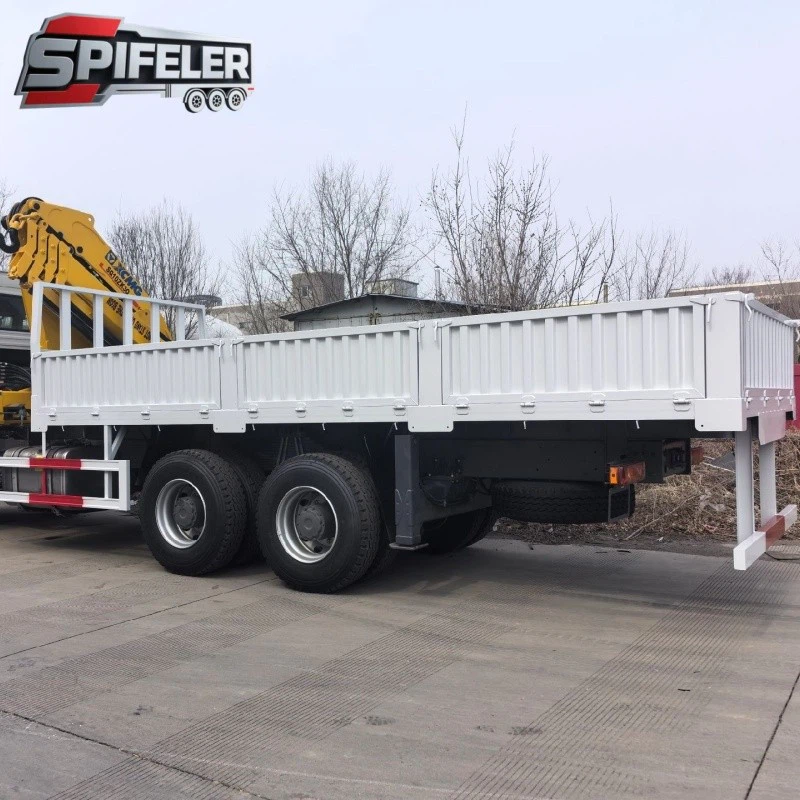
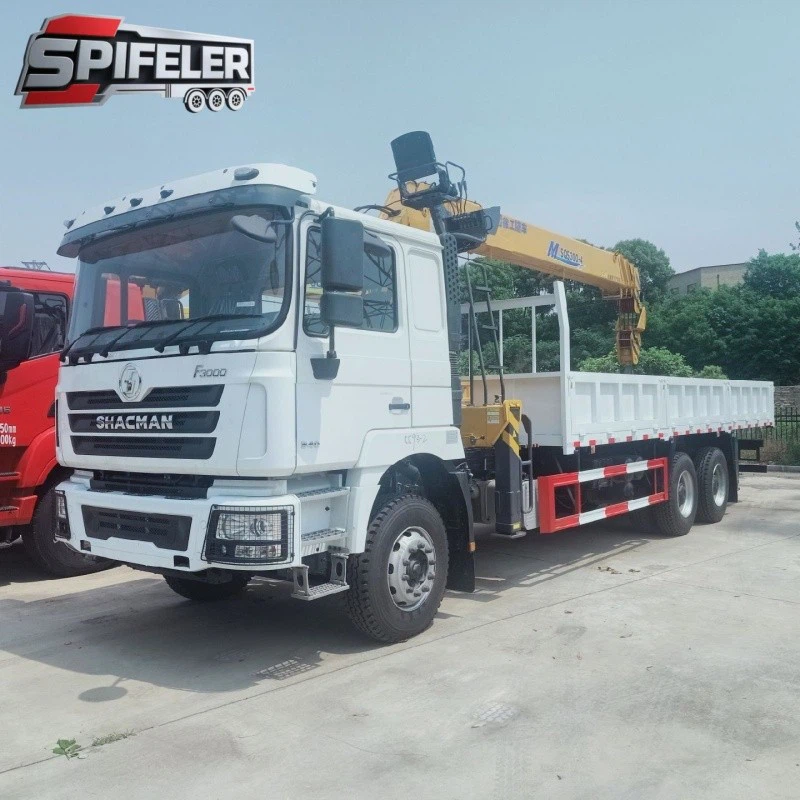
As an engineering vehicle supplier, we offer a wide range of trenchers, along with other great engineering vehicles. For example, we have Truck - mounted Crane Flatbed Truck, which is a versatile vehicle that combines a crane and a flatbed truck. It's great for transporting and lifting heavy materials on construction sites.
We also have Triple Axle Dump Truck. These trucks are designed to carry and dump large amounts of materials, like gravel, sand, or dirt. They're very useful in construction and mining projects.
And of course, we have Truck - mounted Crane, which is a powerful machine that can lift and move heavy objects with ease.
Why Choose Our Trenchers?
Our trenchers are built with high - quality materials and the latest technology. They're reliable, efficient, and easy to operate. We also offer excellent after - sales service, including maintenance and repair.
If you're in the market for a trencher or any other engineering vehicle, we'd love to hear from you. We can provide you with detailed information about our products, and we're always ready to have a chat about your specific needs. Whether you're a small construction company or a large engineering firm, we've got the right vehicle for you. So, don't hesitate to reach out and start a conversation about your procurement needs.
References
- "Construction Equipment Handbook" by Equipment World
- "Engineering Vehicle Technology" by Engineering Press