

When it comes to the operation of a hauling dump truck, one of the most frequently asked questions is, "How much fuel does a hauling dump truck consume per hour?" As a supplier of Hauling Dump Trucks, I've encountered this query numerous times from potential customers, contractors, and industry enthusiasts. In this blog post, I'll delve into the factors that influence fuel consumption in hauling dump trucks and provide some estimates to give you a better understanding.
Factors Affecting Fuel Consumption
1. Engine Size and Type
The engine is the heart of any vehicle, and in the case of hauling dump trucks, it plays a crucial role in determining fuel consumption. Larger engines generally consume more fuel because they have more cylinders and a greater displacement, which means they can generate more power. However, modern engines are designed to be more fuel - efficient, with advanced technologies such as direct injection, turbocharging, and variable valve timing.
For example, a heavy - duty hauling dump truck with a large V8 or V12 engine might have a higher fuel consumption rate compared to a smaller - sized engine. Diesel engines are commonly used in dump trucks due to their high torque and fuel efficiency. Diesel fuel has a higher energy density than gasoline, which means that diesel engines can convert more of the fuel's energy into mechanical work.
2. Load Weight
The weight of the load being carried by the dump truck has a significant impact on fuel consumption. A fully loaded dump truck requires more power to move, accelerate, and climb hills compared to an empty one. As the load weight increases, the engine has to work harder, which leads to higher fuel consumption.
For instance, if a dump truck is designed to carry a maximum load of 20 tons and it's fully loaded, it will consume more fuel per hour than when it's carrying only 5 tons. This is because the additional weight increases the rolling resistance and the force required to move the vehicle.
3. Driving Conditions
The driving conditions also play a vital role in fuel consumption. Stop - and - go traffic, hilly terrains, and rough roads can all increase fuel usage. In stop - and - go traffic, the engine has to constantly start and stop, which is less fuel - efficient than continuous driving at a steady speed.
Hilly terrains require the engine to work harder when climbing uphill, and the brakes are used more frequently when going downhill. This constant change in power demand leads to higher fuel consumption. Rough roads increase the rolling resistance of the tires, which means the engine has to work harder to maintain speed.
4. Aerodynamics
The shape and design of the dump truck can affect its aerodynamics. A more streamlined design reduces air resistance, which in turn reduces fuel consumption. Dump trucks with boxy shapes and large frontal areas are more likely to experience higher air resistance, especially at higher speeds.
Some modern dump trucks are designed with aerodynamic features such as sloped hoods, rounded corners, and side fairings to reduce air drag. These features can help improve fuel efficiency, especially during long - distance hauls.
Estimating Fuel Consumption
On average, a hauling dump truck can consume anywhere from 4 to 10 gallons of fuel per hour. However, this is a very rough estimate, and the actual fuel consumption can vary widely depending on the factors mentioned above.
For a light - duty dump truck with a smaller engine and carrying a relatively light load on flat, smooth roads, the fuel consumption might be closer to 4 gallons per hour. On the other hand, a heavy - duty dump truck with a large engine, fully loaded, and operating in hilly or stop - and - go conditions could consume up to 10 gallons or more per hour.
Let's take a more detailed look at some scenarios:
- Empty Dump Truck on Flat Road: If a dump truck is empty and driving on a flat, smooth road at a constant speed of around 50 - 60 miles per hour, it might consume approximately 4 - 6 gallons of fuel per hour. The engine doesn't have to work as hard to move the vehicle, and the aerodynamic and rolling resistance are relatively low.
- Fully Loaded Dump Truck on Hilly Terrain: When a dump truck is fully loaded and operating in hilly terrain, the fuel consumption can increase significantly. In this case, the engine has to work hard to climb the hills, and the brakes are used frequently on the downhill sections. The fuel consumption could be in the range of 8 - 10 gallons per hour.
Our Hauling Dump Trucks
As a supplier of Hauling Dump Trucks, we understand the importance of fuel efficiency for our customers. Our dump trucks are designed with the latest technologies to optimize fuel consumption.
We offer a range of dump trucks with different engine sizes and configurations to meet the diverse needs of our customers. Whether you need a light - duty dump truck for small - scale projects or a heavy - duty one for large - scale construction and mining operations, we have the right solution for you.
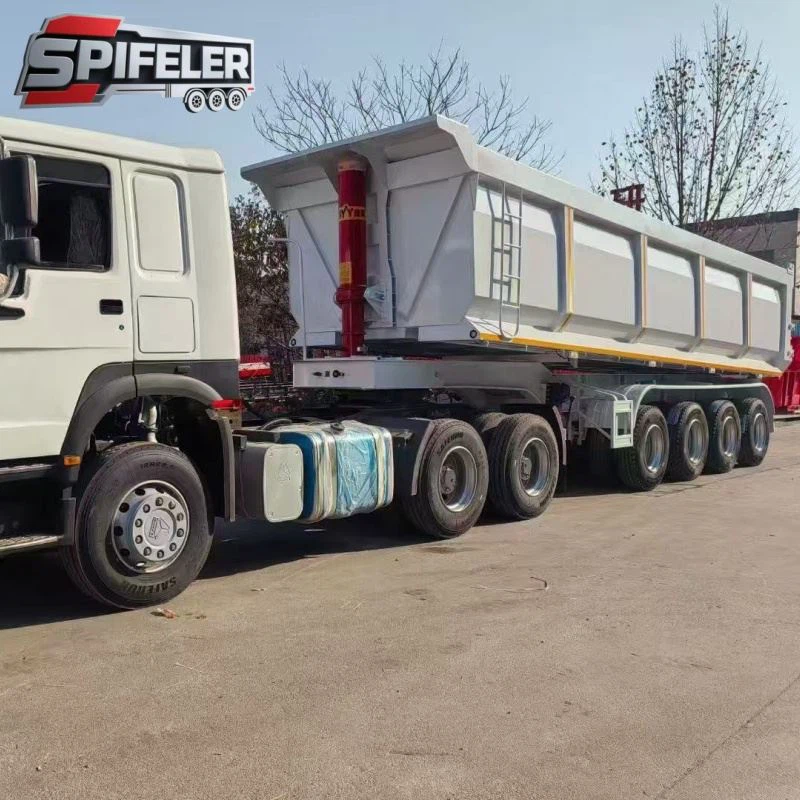
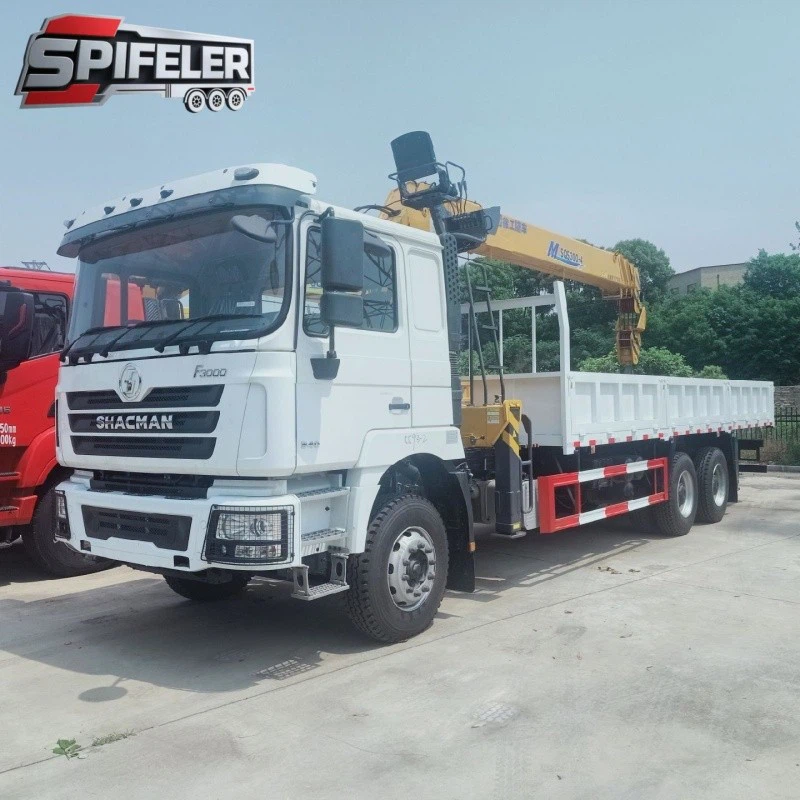
Our dump trucks are also equipped with advanced features such as engine management systems, which can adjust the engine's performance based on the load and driving conditions. This helps to ensure that the engine operates at its most efficient level, reducing fuel consumption and saving you money in the long run.
In addition to hauling dump trucks, we also supply Truck - mounted Crane and Engineering Transport Dump Truck. These vehicles are also designed with fuel efficiency in mind, and they can be a great addition to your fleet.
Contact Us for Purchase and Consultation
If you're in the market for a hauling dump truck or any of our other engineering vehicles, we'd love to hear from you. Our team of experts can provide you with detailed information about our products, including fuel consumption estimates based on your specific requirements.
We can also offer advice on maintenance, operation, and financing options. Whether you're a small contractor or a large construction company, we have the experience and resources to help you make the right choice.
Don't hesitate to contact us for more information and to start the purchasing process. We're committed to providing you with high - quality vehicles and excellent customer service.
References
- "Commercial Vehicle Fuel Efficiency: A Guide for Fleet Operators" by the U.S. Department of Energy
- "Heavy - Duty Truck Engine Technology and Fuel Efficiency" by the Society of Automotive Engineers
- "Factors Affecting Fuel Consumption in Construction Equipment" by the Journal of Construction Engineering and Management