

Hey there! As a supplier of engineering vehicles, I've seen firsthand how important it is to store these beasts properly. Whether you've got a fleet of machines or just one workhorse, the right storage can make a huge difference in their lifespan and performance. So, let's dive into how you can store an engineering vehicle the right way.
Choose the Right Location
The first step in proper storage is picking the right spot. You want a place that's dry, secure, and well - ventilated. A covered storage facility is ideal because it protects the vehicle from the elements. Rain, snow, and sunlight can all cause damage over time. Rain can lead to rust, snow can weigh down the vehicle and cause structural issues, and UV rays from the sun can fade paint and damage rubber components.
If you don't have access to a covered facility, an open area with good drainage is the next best thing. Make sure the ground is level to prevent any uneven stress on the vehicle's frame. Also, consider the security of the location. You don't want your valuable engineering vehicle to be at risk of theft or vandalism. A fenced - in area with a gate and maybe even some security cameras can give you peace of mind.
Clean the Vehicle Thoroughly
Before you store your engineering vehicle, give it a good cleaning. This isn't just about making it look nice; it's about preventing damage. Dirt, mud, and debris can trap moisture against the metal, leading to rust. Grease and oil stains can attract dirt and also cause damage to the paint.
Start by rinsing the vehicle with a high - pressure hose to remove loose dirt. Then, use a mild detergent to clean the body, wheels, and undercarriage. Pay special attention to areas where dirt tends to accumulate, like around the fenders and in the crevices. For the engine and other mechanical parts, use a degreaser to remove any built - up grease and oil.
Once you've cleaned the vehicle, dry it thoroughly. You can use a soft cloth or a leaf blower to get rid of any remaining water. This step is crucial because even a small amount of water left on the vehicle can lead to rust.
Prepare the Engine
The engine is the heart of your engineering vehicle, so it needs special attention before storage. First, change the engine oil and filter. Old oil can break down over time and cause sludge to build up in the engine. Fresh oil will protect the engine during storage.
Next, add a fuel stabilizer to the fuel tank. This will prevent the fuel from deteriorating and forming gum and varnish deposits in the fuel system. Fill the fuel tank to the top to reduce the amount of air in the tank, which can cause condensation.
Disconnect the battery and store it in a cool, dry place. A fully charged battery can self - discharge over time, and if it's left connected to the vehicle, it can drain even faster. You can use a battery maintainer to keep the battery charged during storage.
Protect the Tires
Tires are another important part of your engineering vehicle that need proper care during storage. First, make sure the tires are inflated to the recommended pressure. Under - inflated tires can develop flat spots over time, which can affect the vehicle's handling when it's back in use.
If possible, place the vehicle on blocks or stands to take the weight off the tires. This will prevent the tires from developing flat spots due to long - term compression. You can also cover the tires with tire covers to protect them from UV rays and other environmental factors.
Check and Lubricate Moving Parts
Before storing the vehicle, check all the moving parts, such as hinges, joints, and cables. Make sure they're in good condition and lubricate them as needed. Lubrication will prevent these parts from rusting and seizing up during storage.
Use a high - quality lubricant that's suitable for the specific parts you're working on. For example, a silicone - based lubricant is great for rubber parts, while a grease lubricant is better for metal joints.
Document the Vehicle's Condition
It's a good idea to document the condition of the vehicle before storage. Take photos of the vehicle from all angles, including any existing damage or wear. This will help you keep track of the vehicle's condition and can be useful if you need to file an insurance claim or sell the vehicle in the future.
Regular Inspections
Even if your engineering vehicle is in storage, it's important to check on it regularly. At least once a month, take a look at the vehicle to make sure everything is okay. Check for signs of rust, leaks, or any other issues.

If you notice any problems, address them right away. For example, if you see a small rust spot, you can treat it with a rust converter and touch - up paint to prevent it from spreading.
Different Types of Engineering Vehicles
There are many different types of engineering vehicles, and each one may have some specific storage requirements. For example, Large Scale Engineering Cranes have large booms and complex hydraulic systems. When storing a crane, make sure the boom is properly retracted and secured. Check the hydraulic fluid levels and make sure there are no leaks.
Water Sprinkler Truck need to have their water tanks drained before storage. Water left in the tank can freeze in cold weather and cause damage to the tank and the plumbing system.
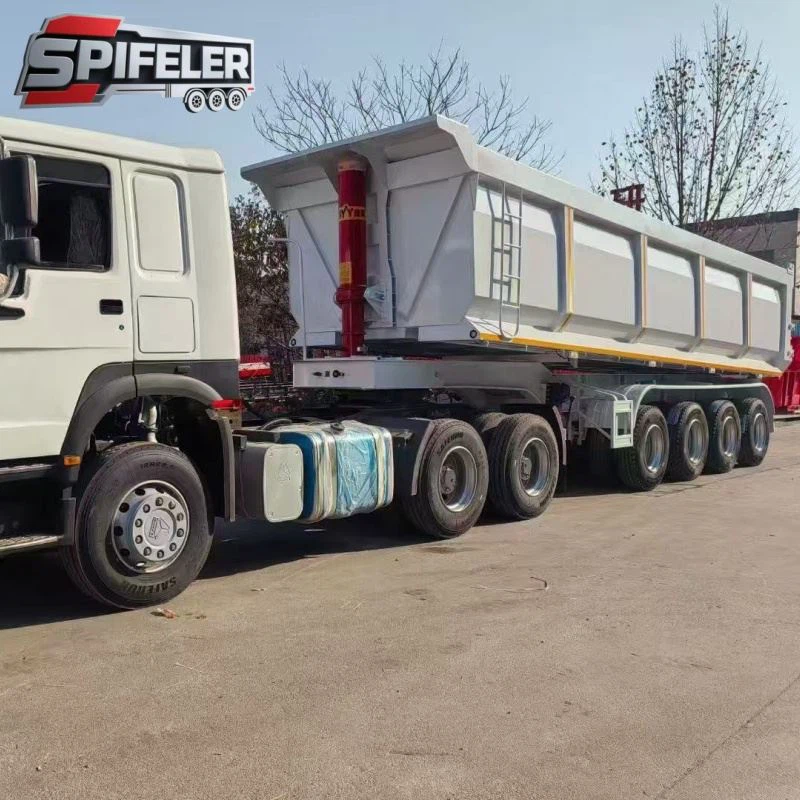
Hauling Dump Truck should have their beds lowered and locked in place. Check the tailgate and the hydraulic system that operates the bed to make sure they're in good working condition.
Conclusion
Properly storing an engineering vehicle is essential for its longevity and performance. By following these steps, you can ensure that your vehicle is in good condition when it's time to get back to work. Whether you're a construction company, a mining operation, or just an individual with an engineering vehicle, taking the time to store it properly will save you money and headaches in the long run.
If you're in the market for a new engineering vehicle or need advice on storage or maintenance, don't hesitate to reach out. We're here to help you make the best choices for your business.
References
- "Engineering Vehicle Maintenance Handbook"
- Various industry - specific magazines and online resources