

Safety is of paramount importance in the construction industry, especially when it comes to loading construction dump trucks. As a leading supplier of construction dump trucks, we understand the critical role that proper loading safety measures play in ensuring the well - being of workers, the longevity of the equipment, and the overall efficiency of construction projects. In this blog, we will delve into the essential safety measures for loading a construction dump truck.
Pre - Loading Inspections
Before any loading operation begins, a thorough pre - loading inspection of the dump truck is crucial. This inspection should cover multiple aspects of the vehicle.
Firstly, check the tires. Ensure that the tire pressure is at the recommended level and that there are no visible signs of damage such as cuts, bulges, or excessive wear. Under - inflated or damaged tires can lead to uneven weight distribution during loading, increasing the risk of tire blowouts and accidents on the road.
Secondly, examine the brakes. The braking system is vital for the safe operation of the dump truck. Test the brakes to make sure they are responsive and in good working condition. Any signs of brake fluid leaks, spongy pedals, or abnormal noises should be addressed immediately.
Inspect the hydraulic system as well. The hydraulic system is responsible for lifting and lowering the dump body. Check for any leaks, damaged hoses, or malfunctioning cylinders. A faulty hydraulic system can cause the dump body to unexpectedly drop or fail to lift properly during loading or unloading.
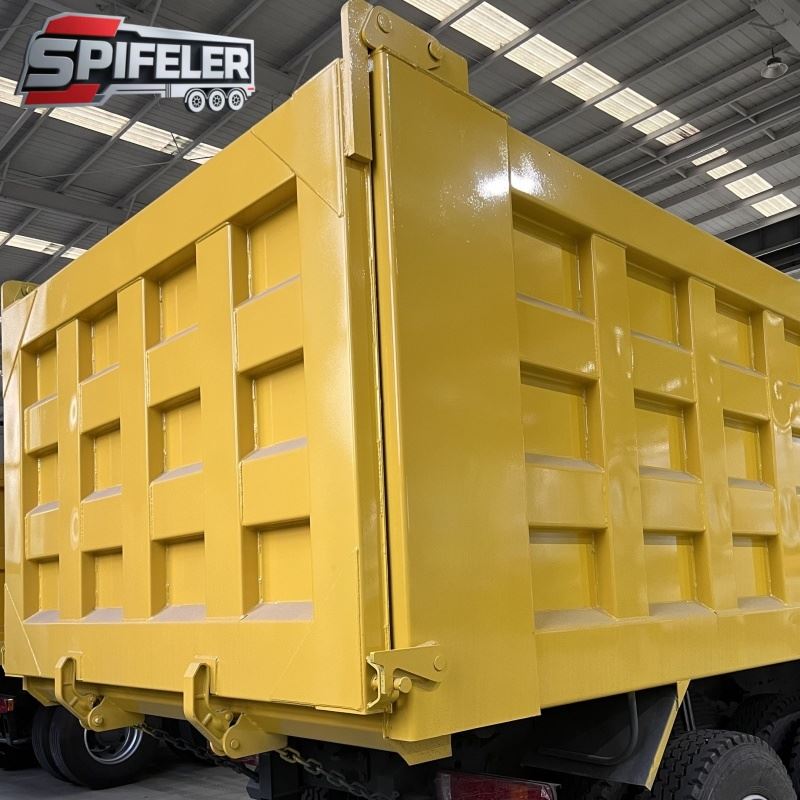
Also, look at the dump body itself. Check for cracks, loose bolts, or any structural damage. A damaged dump body can compromise the stability of the load and pose a safety hazard.
Loading Area Preparation
The area where the loading takes place needs to be properly prepared. It should be level and stable to prevent the dump truck from tipping over during loading. Uneven ground can cause the truck to lean to one side, leading to an unbalanced load.
Clear the loading area of any debris, obstacles, or other hazards. This includes rocks, branches, and construction materials that could interfere with the loading process or cause damage to the truck.
Mark the boundaries of the loading area clearly. This helps the loader operator to position the truck accurately and avoid over - loading or hitting other objects.
Loading Equipment Selection
Choosing the right loading equipment is essential for safe and efficient loading. Different types of construction materials require different loading methods and equipment.

For loose materials such as gravel, sand, or soil, a front - end loader or an excavator is commonly used. These machines are designed to scoop up the materials and deposit them into the dump truck. Make sure the loader or excavator has the appropriate capacity to handle the load. An under - sized loader may take multiple trips to fill the truck, increasing the loading time and the risk of accidents.
When loading larger objects such as construction debris or pre - fabricated components, a Truck - mounted Crane might be more suitable. A truck - mounted crane provides the necessary lifting power and reach to place the objects safely into the dump truck. Ensure that the crane is properly maintained and operated by a trained operator.
Loading Process
During the loading process, it is important to distribute the load evenly across the dump body. Uneven loading can cause the truck to become unstable, increasing the risk of tipping over. The loader operator should aim to fill the dump body in layers, spreading the materials evenly from the front to the back and from side to side.
Avoid over - loading the dump truck. Each dump truck has a specified maximum load capacity, which is determined by its design and structural strength. Over - loading can not only damage the truck but also exceed the legal weight limits, leading to fines and safety risks. Check the truck's load capacity plate and ensure that the load does not exceed this limit.
Keep a safe distance between the loading equipment and the dump truck. The loader or excavator operator should be aware of the truck's dimensions and movement range to avoid collisions.
Securing the Load
Once the loading is complete, the load needs to be secured properly. This is especially important for materials that are likely to shift or spill during transportation.
For loose materials, use tarps or netting to cover the load. This prevents the materials from blowing out of the dump body and causing hazards on the road. Make sure the tarps or netting are securely fastened to the truck.
For larger objects, use straps, chains, or other restraints to hold them in place. Check that the restraints are tight and in good condition. Loose or damaged restraints can allow the objects to move during transit, increasing the risk of accidents.
Operator Training
All operators involved in the loading process, including the dump truck driver and the loader or crane operator, should receive proper training. They should be familiar with the safety procedures, the equipment they are using, and the potential hazards associated with the loading operation.
The training should cover topics such as pre - loading inspections, loading area preparation, load distribution, and load securing. It should also include emergency procedures in case of equipment failure or other safety incidents.
Post - Loading Checks
After the load is secured, conduct a final post - loading check. Inspect the load again to ensure that it is balanced, properly secured, and within the legal weight limits.
Check the truck's lights, signals, and mirrors. These are essential for safe driving on the road. Make sure all lights are working properly and that the mirrors provide a clear view of the surroundings.
Finally, test the brakes and the steering to ensure that the truck is in good working condition before it leaves the loading area.
Importance of Safety Measures
Implementing these safety measures is not only a legal requirement but also a moral obligation. By following these measures, we can significantly reduce the risk of accidents, injuries, and property damage.
Safe loading practices also contribute to the overall efficiency of construction projects. A well - loaded dump truck can transport materials more safely and quickly, reducing downtime and increasing productivity.
As a supplier of Earth Moving Dump Truck, we are committed to providing high - quality dump trucks that meet the highest safety standards. We also offer support and advice on safety measures to our customers.
In addition to earth - moving dump trucks, we also supply other types of construction vehicles such as Truck - mounted Crane and Cement Pump Truck. These vehicles play important roles in different aspects of construction projects, and safety is equally important for their operation.
If you are in the market for construction dump trucks or other related equipment, we encourage you to contact us for more information. Our team of experts can help you select the right equipment for your specific needs and provide you with detailed guidance on safety measures. We are dedicated to helping you ensure the safety and success of your construction projects.
References
- Construction Equipment Safety Manual, Industry Standard Publication
- Dump Truck Manufacturer's Guidelines and Specifications
- Occupational Safety and Health Administration (OSHA) Regulations for Construction Vehicles and Loading Operations