

As a supplier of quarry dump trucks, I understand the critical importance of proper tire pressure in ensuring the safety, efficiency, and longevity of these heavy - duty vehicles. Quarry dump trucks operate in some of the most challenging environments, carrying large loads over rough and uneven terrain. In this blog, we'll explore the tire - pressure requirements for quarry dump trucks, why they matter, and how to maintain the right pressure.
The Significance of Correct Tire Pressure
Tire pressure is not just a minor detail; it's a fundamental aspect of a quarry dump truck's performance. When the tires are properly inflated, the truck can handle heavy loads more effectively, reducing the risk of tire failure and improving fuel efficiency. Under - inflated tires can lead to increased rolling resistance, which means the engine has to work harder to move the vehicle. This not only consumes more fuel but also generates excessive heat, which can cause premature tire wear and even blowouts.
On the other hand, over - inflated tires have a smaller contact area with the ground. This reduces traction, making it more difficult to control the truck, especially on slippery or uneven quarry surfaces. It also increases the risk of the tires hitting sharp objects and getting punctured.
Factors Affecting Tire - Pressure Requirements
Several factors influence the ideal tire pressure for a quarry dump truck:
- Load Weight: The heavier the load, the higher the tire pressure needs to be. Quarry dump trucks are designed to carry substantial amounts of material, such as rocks and gravel. As the load increases, the tires need more pressure to support the weight without deforming too much.
- Tire Size and Type: Different tire sizes and types have different recommended pressure ranges. Larger tires generally require higher pressures to maintain their shape and performance. The type of tire, whether it's designed for off - road use or a specific quarry environment, also plays a role in determining the appropriate pressure.
- Terrain: Quarry terrain can be extremely rough, with rocks, potholes, and uneven surfaces. Tires need to be properly inflated to withstand these conditions. For example, on soft or muddy ground, slightly lower tire pressure can provide better traction, while on hard and rocky surfaces, higher pressure may be necessary to prevent punctures.
- Temperature: Tire pressure changes with temperature. As the temperature rises, the air inside the tires expands, increasing the pressure. Conversely, in cold weather, the air contracts, and the pressure drops. It's important to check and adjust tire pressure regularly, especially during significant temperature changes.
Recommended Tire - Pressure Ranges
The recommended tire - pressure ranges for quarry dump trucks can vary depending on the specific make and model of the vehicle, as well as the factors mentioned above. However, as a general guideline, most quarry dump trucks require tire pressures in the range of 60 - 100 psi (pounds per square inch).

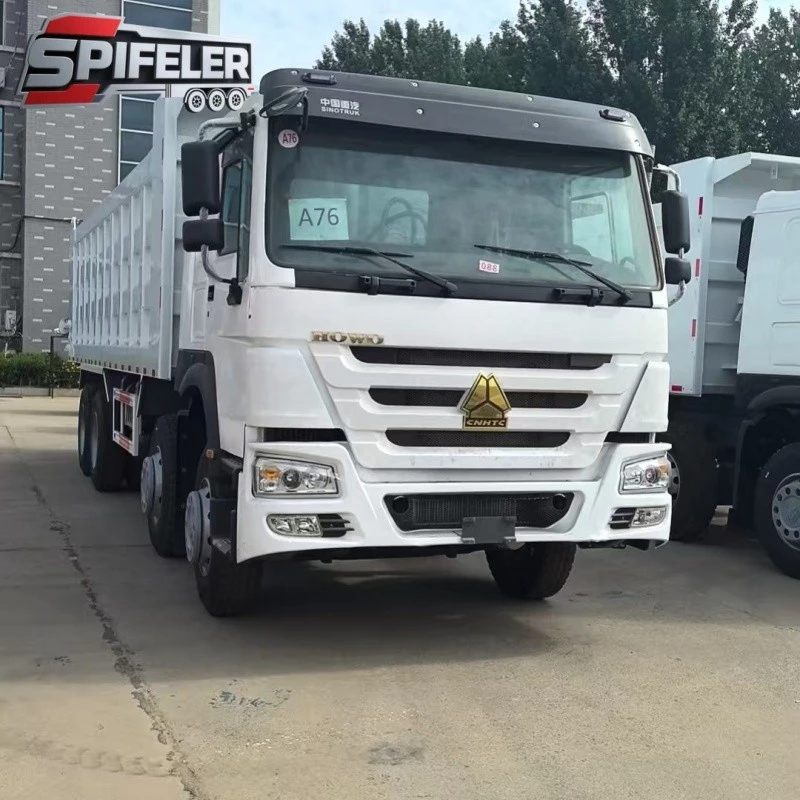
For smaller quarry dump trucks with lighter loads, the pressure may be closer to the lower end of this range, around 60 - 70 psi. Larger trucks carrying heavier loads may need pressures in the 80 - 100 psi range. It's crucial to refer to the vehicle's owner's manual or consult with the tire manufacturer for the exact pressure requirements.
Maintaining Proper Tire Pressure
Maintaining the correct tire pressure is an ongoing process. Here are some steps to ensure your quarry dump trucks' tires are always properly inflated:
- Regular Checks: Make it a habit to check the tire pressure at least once a week, or more frequently if the truck is in heavy use. Use a reliable tire - pressure gauge to get an accurate reading.
- Adjustment: If the pressure is too low, add air until it reaches the recommended level. If it's too high, release some air. It's important to make these adjustments when the tires are cold, as the pressure can increase when the tires are hot from driving.
- Monitoring: Consider using a tire - pressure monitoring system (TPMS). These systems can provide real - time information about the tire pressure, alerting you if there are any significant changes. This can help prevent tire - related problems and improve safety.
- Tire Inspection: Along with checking the pressure, inspect the tires for signs of wear, damage, or uneven tread. Replace any tires that are worn beyond the recommended limit or have visible damage.
The Role of Our Quarry Dump Trucks
As a supplier of quarry dump trucks, we take pride in providing vehicles that are designed to meet the demanding requirements of the quarry industry. Our trucks are equipped with high - quality tires that are specifically selected to handle the rough terrain and heavy loads. We also offer comprehensive support and guidance on tire - pressure maintenance to ensure our customers get the most out of their vehicles.
In addition to our quarry dump trucks, we also offer a range of other engineering vehicles, such as Truck - mounted Crane Flatbed Truck and Large Scale Engineering Cranes. These vehicles are built to the highest standards of quality and performance, and we are committed to providing our customers with the best possible solutions for their engineering needs.
If you're in the market for a Engineering Transport Dump Truck or other engineering vehicles, we encourage you to contact us for more information. Our team of experts is ready to assist you in finding the right vehicle for your specific requirements and to provide you with all the support you need to keep your vehicles running smoothly.
Conclusion
Proper tire pressure is essential for the safe and efficient operation of quarry dump trucks. By understanding the factors that affect tire - pressure requirements and following the recommended maintenance procedures, you can ensure that your trucks perform at their best and have a long service life. As a supplier of quarry dump trucks, we are dedicated to helping our customers achieve these goals. If you have any questions or need further information, please don't hesitate to contact us. We look forward to working with you to meet your quarrying and engineering needs.
References
- Tire Manufacturer's Guidelines
- Quarry Dump Truck Owner's Manuals
- Industry Standards and Best Practices for Heavy - Duty Vehicle Maintenance