

What is the installation process of a truck - mounted crane?
As a trusted supplier of truck - mounted cranes, I'm often asked about the installation process of these essential pieces of equipment. A truck - mounted crane combines the mobility of a truck with the lifting capabilities of a crane, making it a versatile tool for various industries such as construction, logistics, and mining. In this blog, I'll walk you through the detailed installation process of a truck - mounted crane.
Pre - installation Preparation
Before starting the installation, a series of preparations are necessary. First, it's crucial to select the right truck - mounted crane for the specific truck. The crane's capacity, boom length, and other specifications should match the truck's load - bearing capacity, size, and power output. For example, a smaller truck may not be able to support a large - capacity crane, which could lead to instability and safety hazards during operation.
Next, a detailed inspection of the truck is required. Check the chassis of the truck for any damage, deformation, or corrosion. The mounting points on the truck chassis, where the crane will be attached, need to be in good condition. Ensure that the truck's electrical system, hydraulic system (if applicable), and other key components are functioning properly. This step is vital because any pre - existing issues with the truck can affect the installation and subsequent operation of the crane.
We also need to gather all the necessary tools and equipment for the installation. Common tools include wrenches, screwdrivers, hoists, and measuring instruments. Additionally, having a clean and safe workspace is essential. The installation area should be flat, well - lit, and free from any potential obstacles or hazards.
Mounting the Crane Base
The first major step in the installation process is mounting the crane base on the truck chassis. The crane base serves as the foundation for the entire crane structure and provides stability during lifting operations.
First, position the crane base on the pre - determined mounting points on the truck chassis. Use alignment tools to ensure that the base is perfectly aligned with the chassis. This alignment is critical for the proper functioning of the crane and to prevent uneven stress distribution.
Once the base is aligned, secure it to the truck chassis using high - strength bolts. The bolts should be tightened to the specified torque value according to the manufacturer's instructions. This ensures a firm and reliable connection between the crane base and the truck chassis.
After the base is bolted in place, perform a visual inspection to check for any signs of misalignment or loose connections. Any issues should be addressed immediately to avoid problems during the subsequent installation steps.
Installing the Crane Boom and Jib
The crane boom is the long, extendable arm of the crane that is used to lift and move loads. The jib is an additional attachment that can be added to the end of the boom to increase its reach.
Start by carefully lifting the crane boom onto the crane base. This usually requires the use of a hoist or other lifting equipment. Make sure that the boom is properly aligned with the base and that all the connection points are clean and free from debris.
Connect the boom to the base using hydraulic hoses (if it's a hydraulic - operated crane) or mechanical linkages. These connections need to be tight and secure to ensure the safe transfer of power and movement between the base and the boom.
If the crane is equipped with a jib, install it at the end of the boom. Similar to the boom installation, ensure proper alignment and secure connections. The jib should be able to extend and retract smoothly without any binding or obstruction.
Connecting the Hydraulic and Electrical Systems
Most modern truck - mounted cranes are powered by hydraulic and electrical systems. Connecting these systems correctly is crucial for the proper operation of the crane.
For the hydraulic system, start by connecting the hydraulic hoses from the crane's hydraulic pump to the various hydraulic cylinders on the boom, jib, and other moving parts. Make sure that the hoses are properly routed and secured to prevent any kinking or damage. Check for any leaks in the hydraulic connections by pressurizing the system and visually inspecting the hoses and fittings.
The electrical system is responsible for controlling the crane's functions, such as boom movement, jib extension, and load sensing. Connect the electrical cables from the truck's battery or power source to the crane's control panel. Ensure that all the electrical connections are tight and insulated to prevent short - circuits.
After connecting the hydraulic and electrical systems, perform a system test to verify that all the functions of the crane are working properly. This includes testing the boom extension and retraction, jib movement, and the operation of the control panel.
Testing and Calibration
Once the installation is complete, it's time to conduct a series of tests and calibrations. First, perform a static load test. This involves lifting a known weight using the crane and holding it in place for a certain period of time. Check for any signs of instability, such as excessive swaying or tilting of the truck.
Next, conduct a dynamic load test. Move the load around using the crane's various functions, such as rotating the boom, extending and retracting the jib, and lifting and lowering the load. Observe the crane's performance during these movements and check for any abnormal noises, vibrations, or malfunctions.
Calibration is also an important part of the testing process. Calibrate the crane's load sensing system to ensure accurate weight measurement. This is crucial for safe lifting operations, as overloading the crane can lead to serious accidents.
Post - installation Inspection and Maintenance
After the testing and calibration are successful, perform a final post - installation inspection. Check all the connections, bolts, and hoses for any signs of loosening or damage. Make sure that all the safety devices on the crane, such as limit switches and overload protection systems, are functioning properly.
Provide the customer with a detailed maintenance schedule and instructions. Regular maintenance is essential to keep the truck - mounted crane in good working condition and to extend its service life. This includes tasks such as lubricating moving parts, checking hydraulic fluid levels, and inspecting the electrical system.
In conclusion, the installation process of a truck - mounted crane is a complex and precise task that requires careful planning, proper tools, and skilled technicians. As a [trusted] truck - mounted crane supplier, we ensure that every installation is carried out to the highest standards of quality and safety.

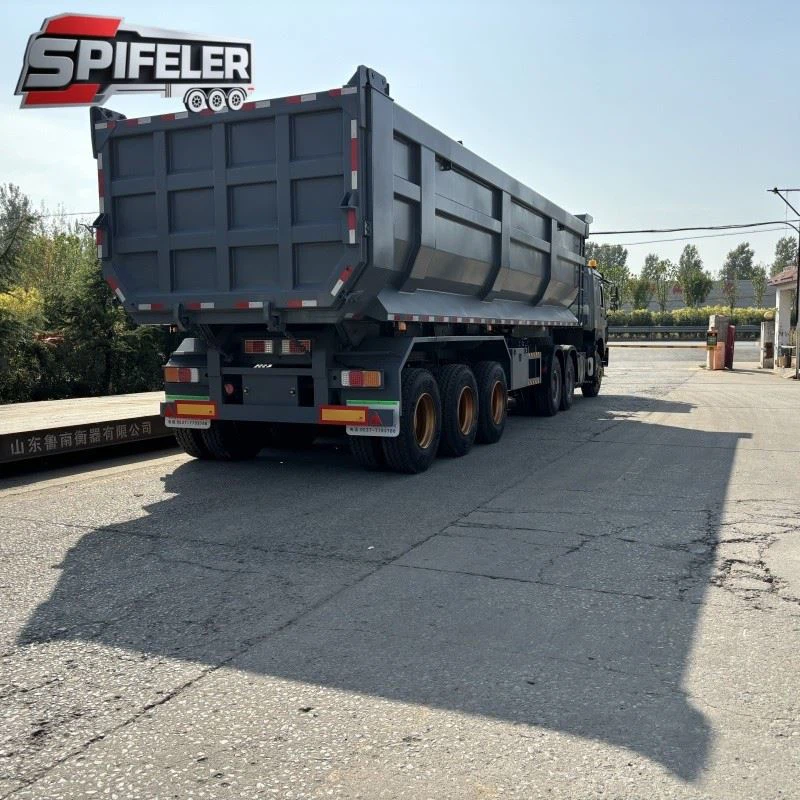
If you're in the market for a truck - mounted crane or need more information about our products and installation services, we'd love to hear from you. Our team of experts is ready to assist you in finding the right crane for your needs and ensuring a smooth installation process. Whether you're involved in construction projects, using Mining Dump Truck, Cement Pump Truck, or Construction Dump Truck operations, our truck - mounted cranes can provide the lifting power and versatility you require. Contact us today to start the procurement and installation process.
References
- Manufacturer's installation manuals for truck - mounted cranes
- Industry standards and guidelines for crane installation and safety
- Technical literature on hydraulic and electrical systems for cranes